
By Lisa Tan, Marketing Lead and functional knit fabric specialist at Mibein. Last reviewed November 2026.
Ask ten fabric suppliers for a “matte cationic knit” and you will get ten different fabrics. Some are full-dull cationic yarn. Some are semi-dull yarn with a delustring finish on top. Some are bright yarn knitted first and dulled afterwards. On the swatch they can look alike; after a few washes, or once you dye them navy or black, they do not.
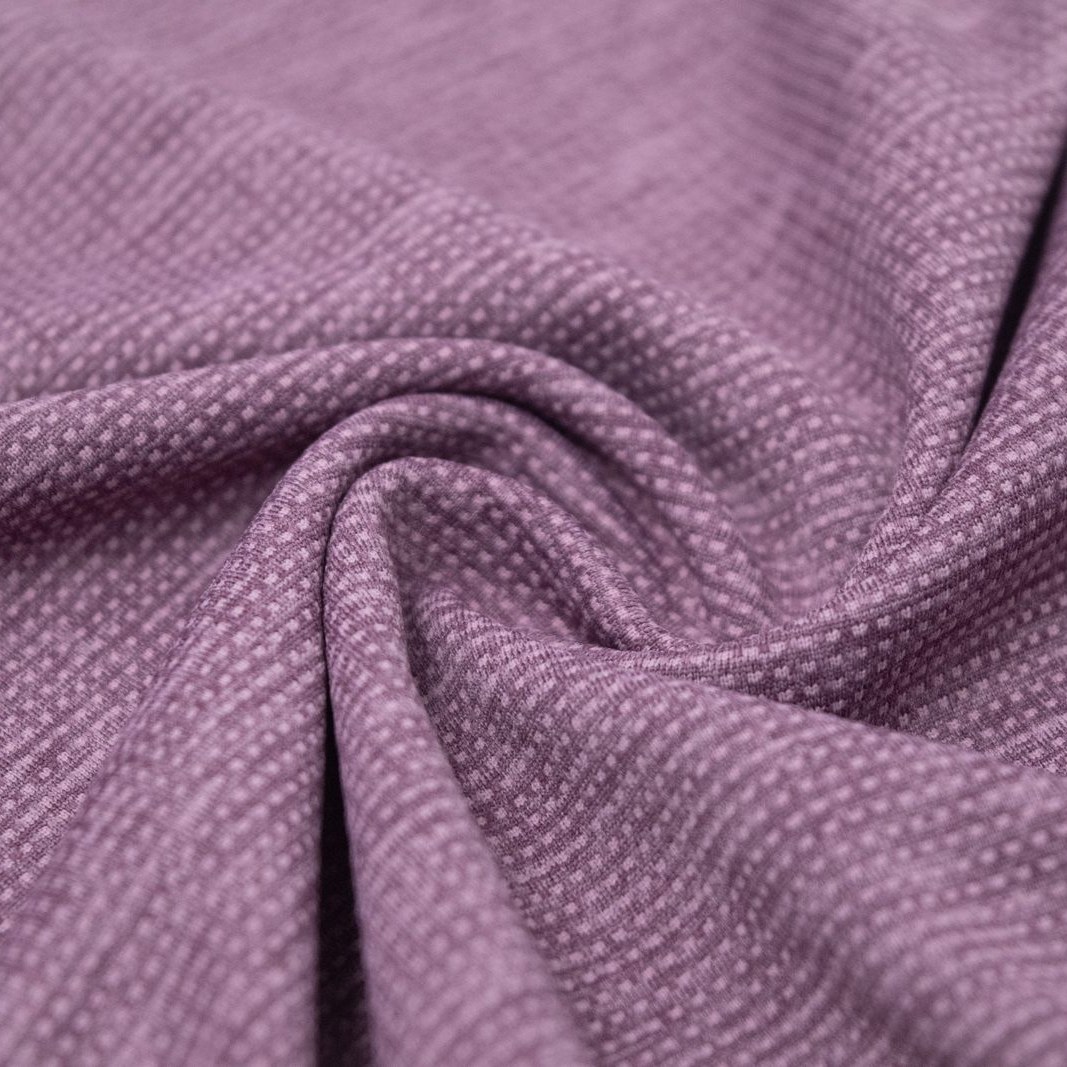
Every cationic fabric in the Mibein range is full-dull cationic polyester. That includes our two-tone, double-face contrast and striped knits. This guide explains what that means, why it is harder to make than ordinary cationic polyester, and how to choose between full-dull, semi-dull and bright yarn for your next collection.
In short
- Full-dull means the matte look is built into the fiber by a high load of titanium dioxide (TiO₂), so it does not wash out like a delustring finish can.
- Cationic means the polyester is modified to take cationic dyes. Blended with regular polyester, it gives two-tone, heather and contrast effects in one dye bath.
- Putting the two together is difficult for the yarn spinner, which is why genuine full-dull cationic yarn is less common than “matte” claims suggest.
- Choose full-dull for a premium matte surface and for deep colours. Semi-dull is the better value for everyday sportswear in mid and light shades. Bright yarn is for shine.
What “full-dull cationic” actually means
Dull, semi-dull and bright
Polyester fiber is naturally glossy. Spinners add titanium dioxide to scatter light and reduce that gloss. The amount decides the grade:
| Grade | Typical TiO₂ content | Look |
|---|---|---|
| Bright | Very low or none | Glossy, reflective |
| Semi-dull | About 0.3% | Soft sheen; the market standard |
| Full-dull | About 2.0–2.5% | Deep, chalky matte, close to natural fibers |
Typical industry ranges for polyester spinning, given for orientation. They are not test results for a specific Mibein yarn.
Cationic dyeable polyester
Cationic dyeable polyester (often called CDP) has sulfonate groups built into the polymer chain, so it takes cationic dyes that regular polyester does not. Knit a cationic yarn together with a regular polyester yarn and dye the fabric once: the two yarns take colour differently. That is how our two-tone stripes, double-face jacquards and two-tone fleeces get their depth without yarn-dyeing.
Why we combine them
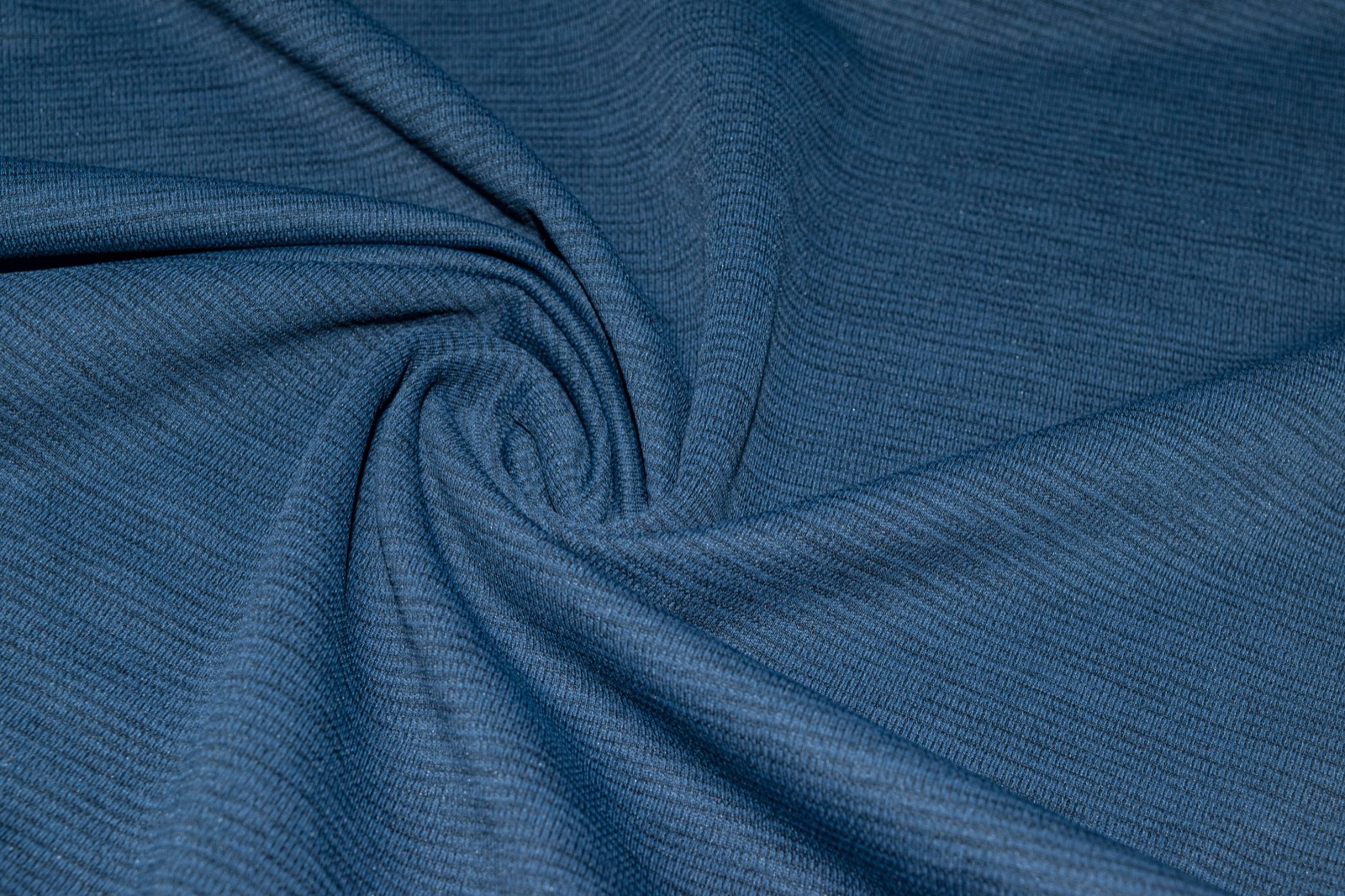
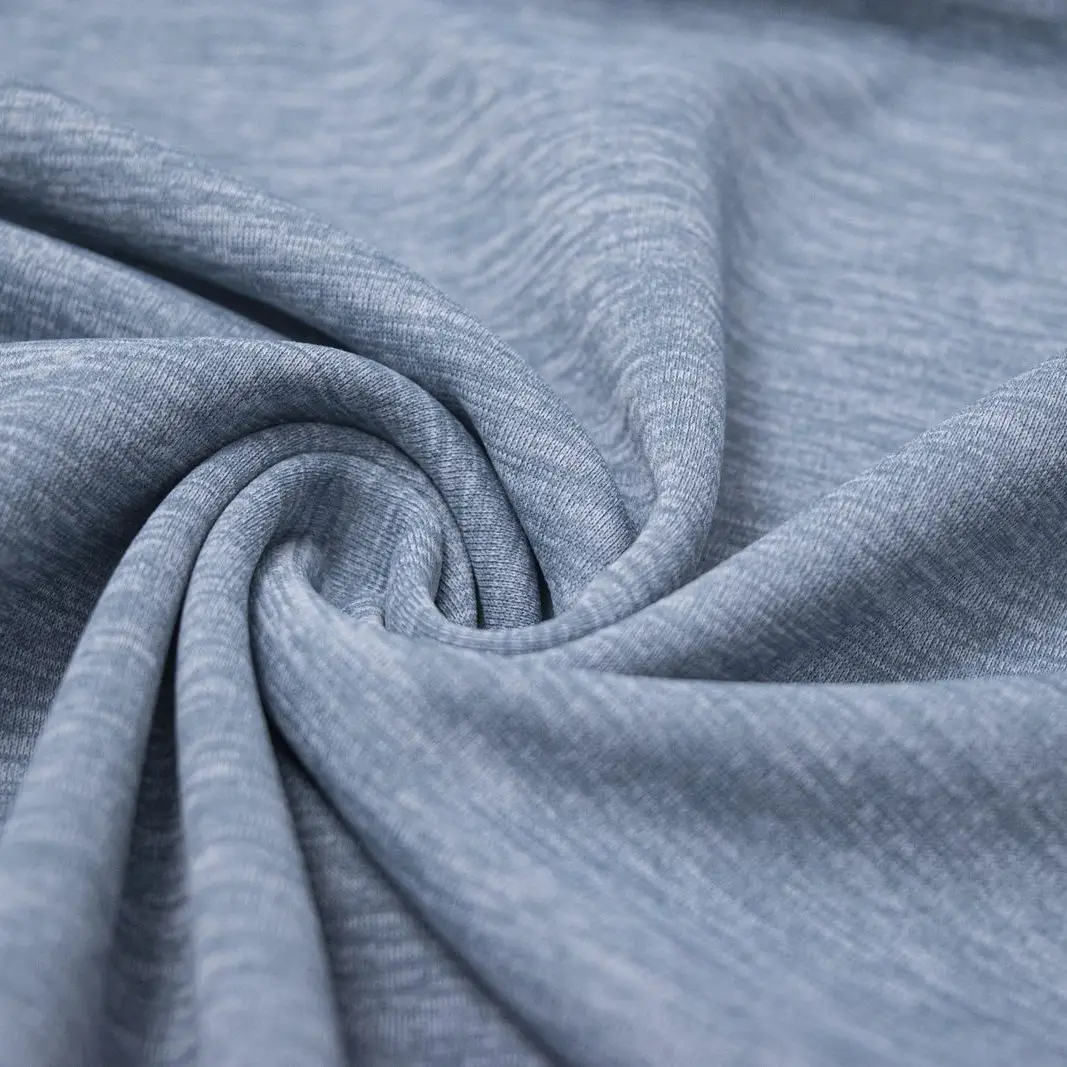
Two-tone and heather effects already read as “natural”. On a full-dull yarn, that natural look goes further: a low-lustre, cotton-like surface with colour depth, on a polyester that still wicks, dries fast and keeps its shape. That is the look our cationic series is built around.
Why full-dull cationic yarn is hard to make
Most buyers never see this part, but it explains why the yarn is less common and why supply quality varies. Full-dull needs a much higher level of delustrant than semi-dull, and the cationic modification that makes the yarn dyeable with cationic dyes also makes the polymer more sensitive to process conditions. Together they leave yarn spinners a narrow window to work in, so consistency depends on experience and tight control.
What a buyer sees from all this is simple: a consistent, deep matte surface lot after lot, or not.
Three mistakes buyers make with matte fabric
Mistake 1: Treating “matte” as “full-dull”
A matte look can come from a full-dull fiber, or from a semi-dull or bright fabric with a delustring finish applied after knitting. A finish can wear away with washing, and the gloss comes back. Full-dull is matte at the fiber level.
How to check: ask the supplier whether the yarn itself is full-dull, and compare the swatch before and after several home washes under the same light. All of our cationic fabrics use full-dull yarn.
Mistake 2: Using the wrong grade for the colour
Black, navy and dark brown on a semi-dull base can look shiny and shallow, and the shade reads cheaper than intended. Full-dull holds deep colours better. The reverse is also true: very bright, saturated colours on full-dull can look slightly greyer and flatter. Both mistakes end in fabric that looks wrong on the rail.
How to check: approve the lab dip on the actual base fabric, in your darkest and brightest colours, under the light you sell in. See how lab dips are approved.
Mistake 3: Ignoring strength
Full-dull filament is generally a little weaker than semi-dull. The risk is greatest in very light woven fabrics, where tear strength and abrasion can fall short. Knits behave differently, but the point still applies: for lightweight styles, confirm the strength figures before bulk.
How to check: ask for bursting strength and pilling results on the fabric and colour you are buying. For knits, bursting strength is the more relevant measure than tear.
How to choose
| If you need… | Choose | Typical uses |
|---|---|---|
| A premium matte surface, natural look, deep colours | Full-dull | Lifestyle and city-outdoor tops, business-casual knits, outerwear, deep-colour programmes |
| Everyday sportswear in mid and light shades at the best value | Semi-dull | Standard sports tees, team wear, home textiles |
| Shine or a reflective look | Bright, or trilobal bright yarn | Stagewear, sporty shine effects, some men’s casual |
Add cationic when you want two-tone, heather or contrast effects from a single dye bath.
Our full-dull cationic series
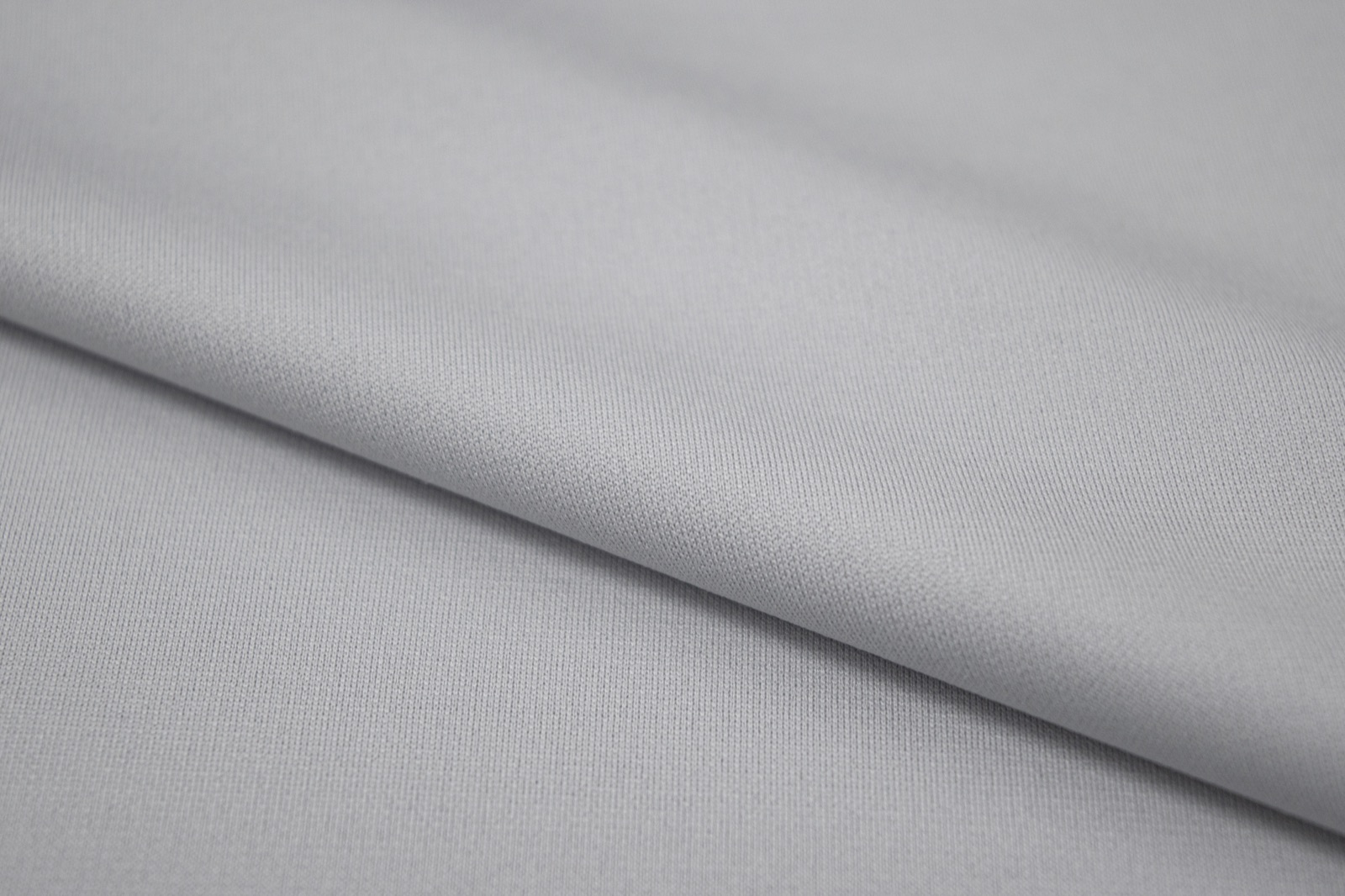
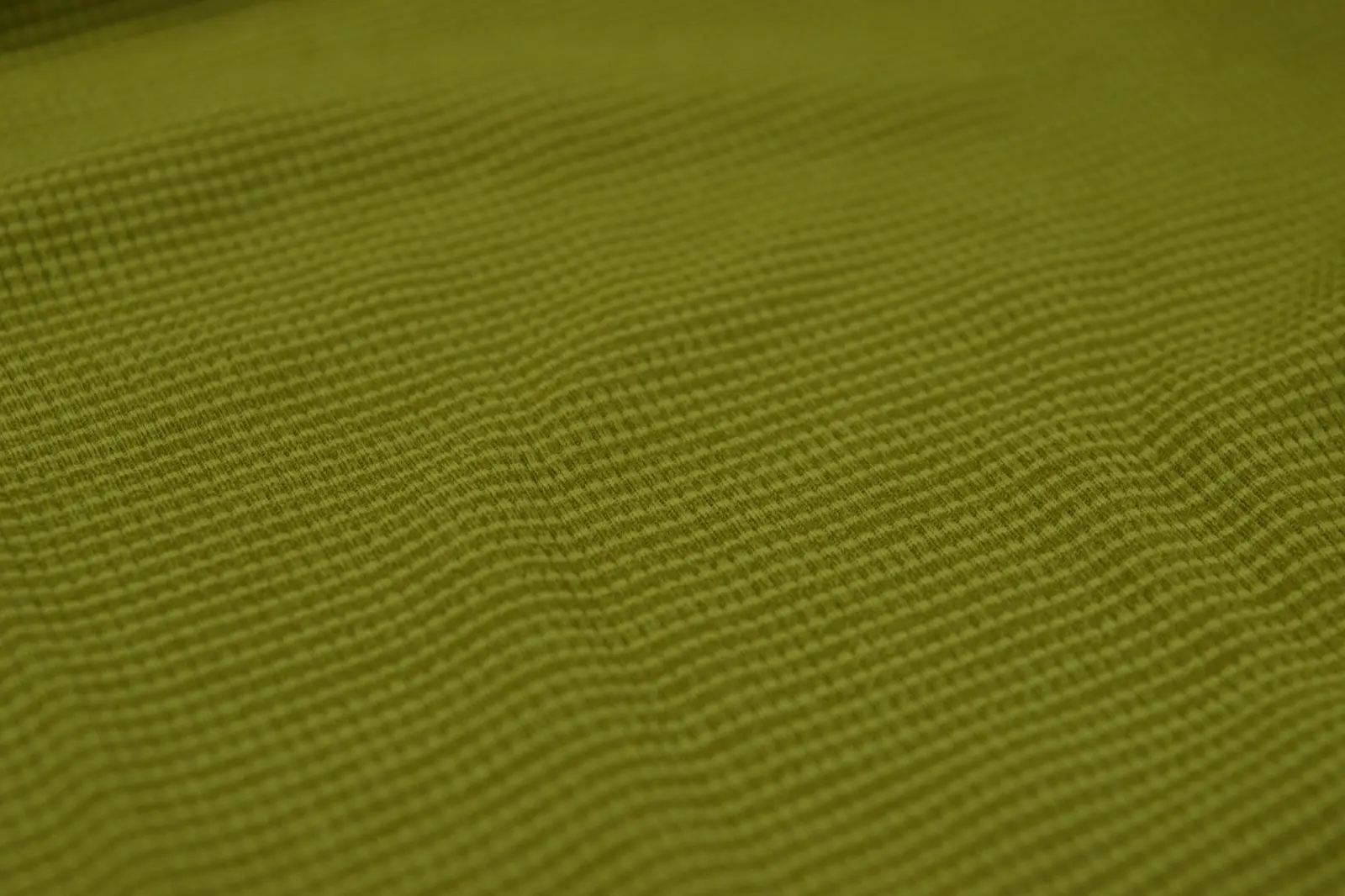
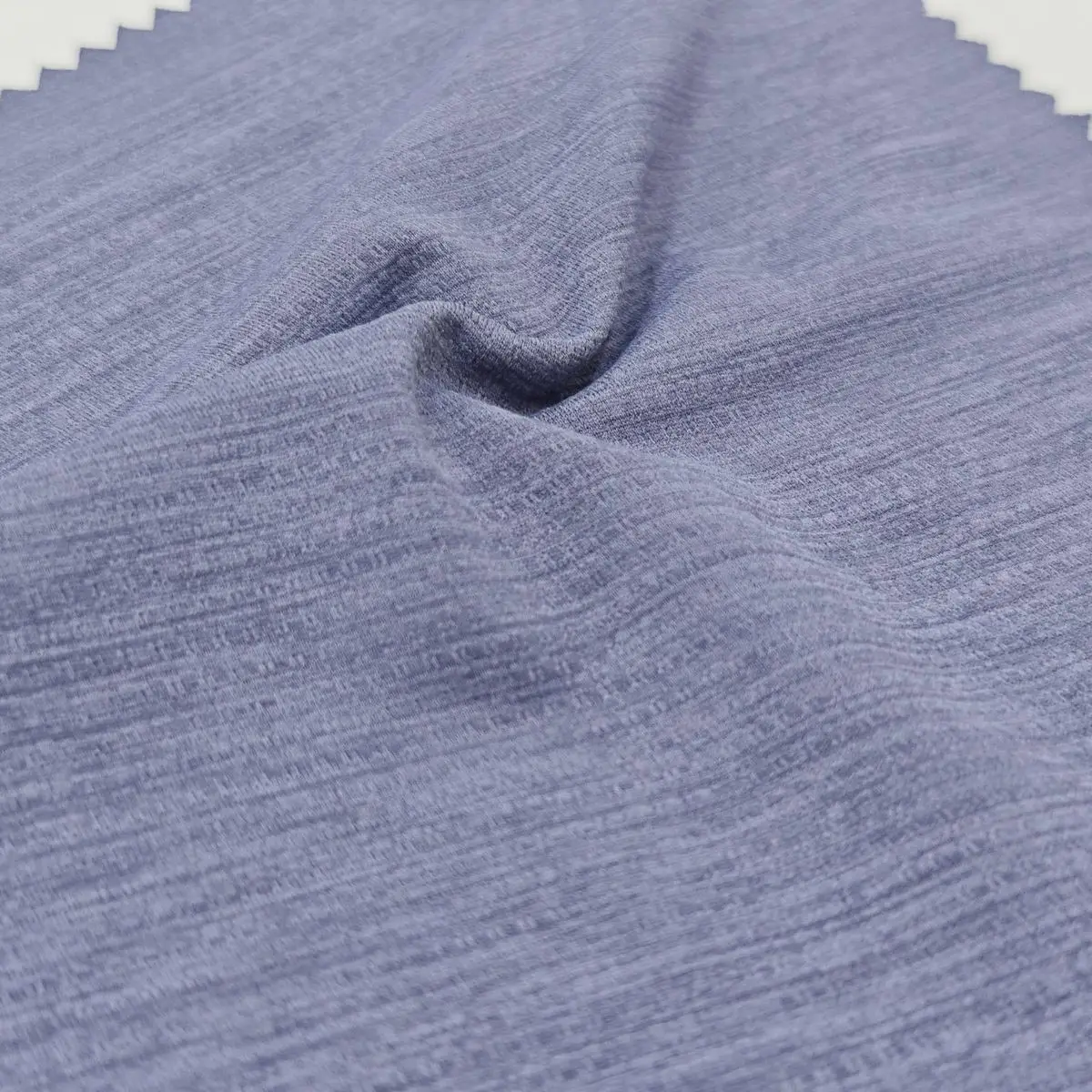
All of these are full-dull cationic polyester. Test results below are from third-party reports and apply to the tested sample, colour and lot.
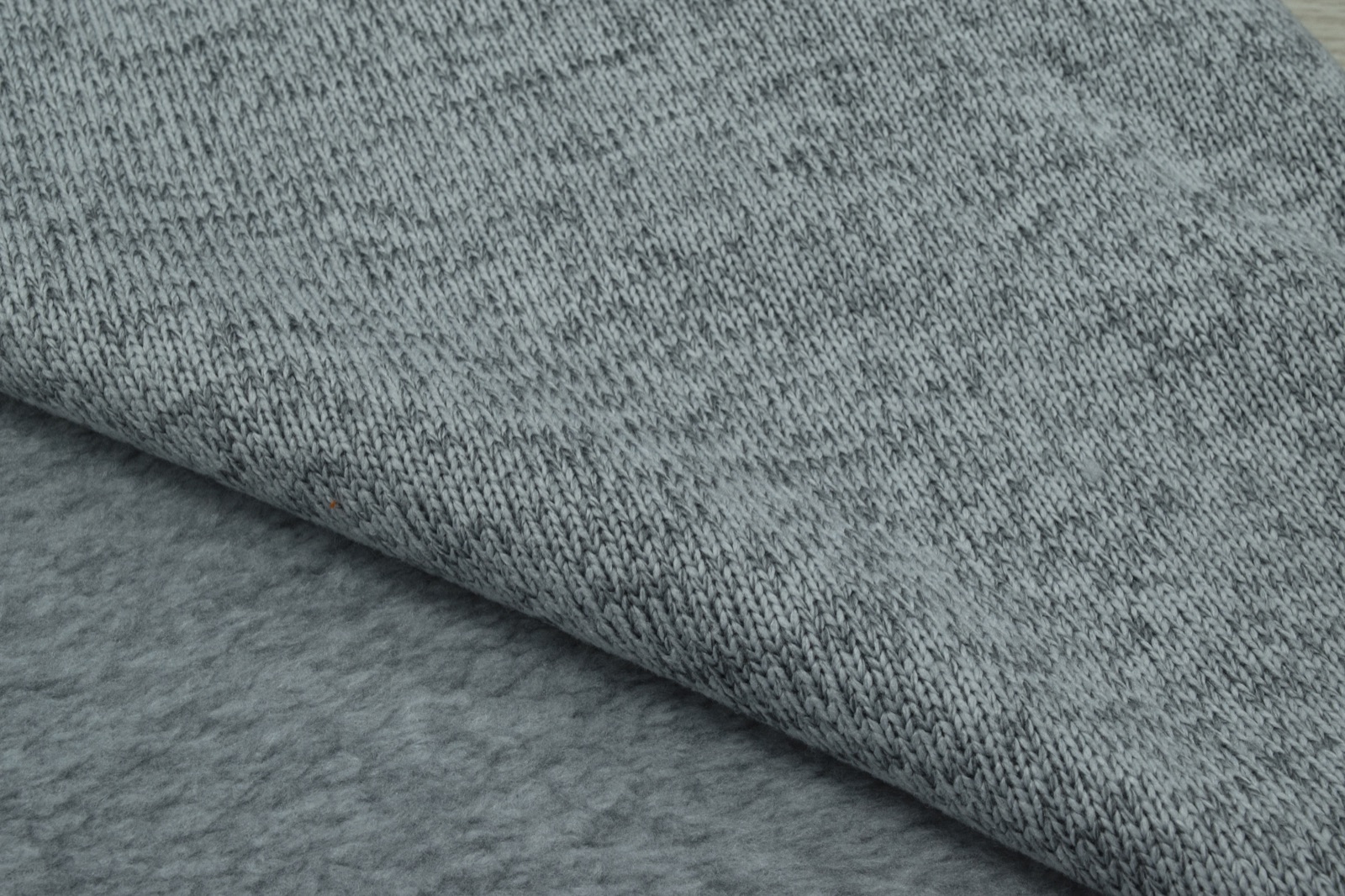
| Fabric | Look | Third-party data |
|---|---|---|
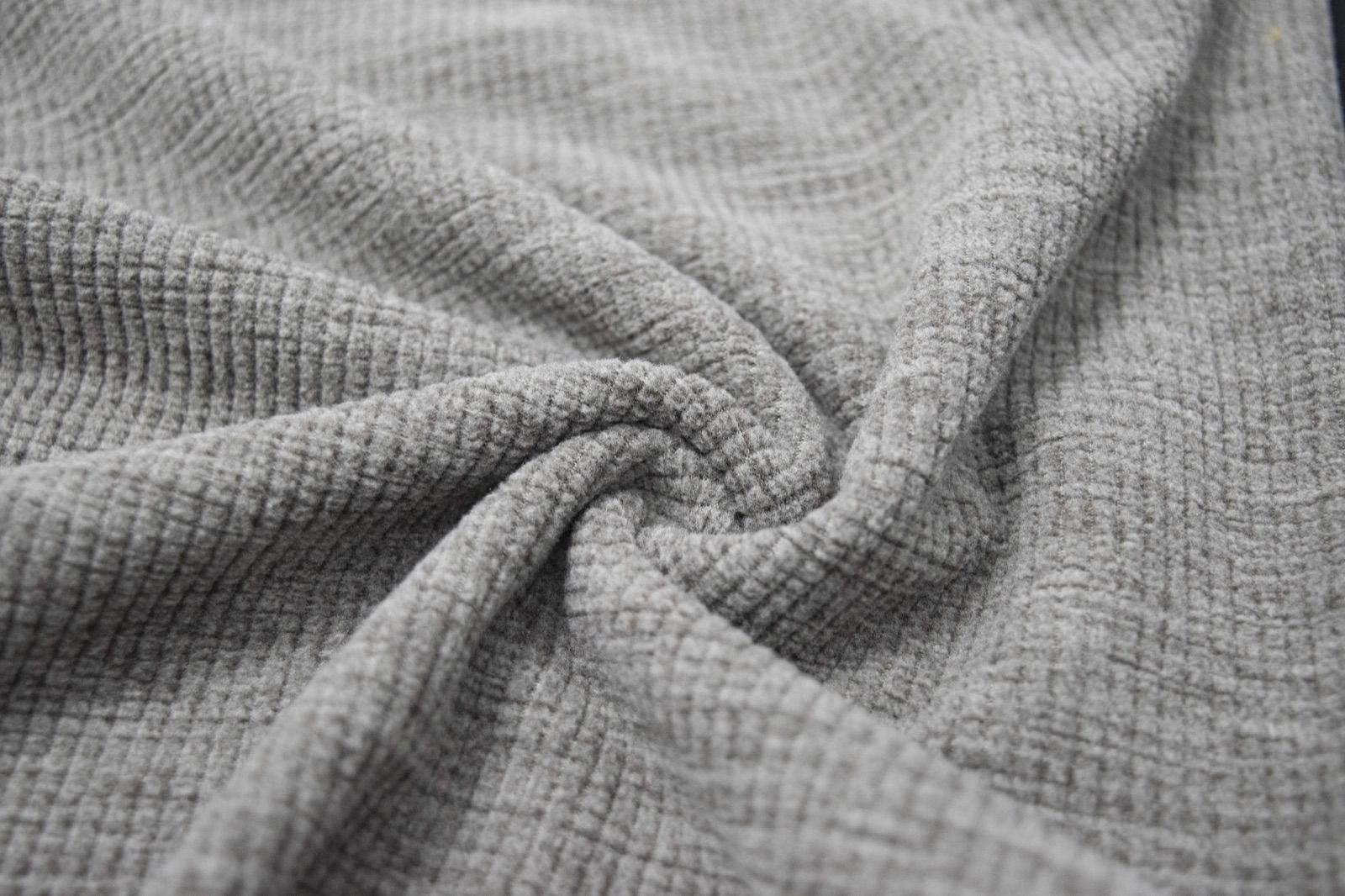
| C25330 cationic waffle, 140 GSM | Textured, cotton-look waffle | GB/T 21655.1-2023 absorption and quick-drying Grade I (SGS; GTTC report 2024-11-30, white) |
| XW35977 two-tone jacquard, 105 GSM | Vivid two-tone, natural look | Drying rate 0.38 g/h as received, 0.23 g/h after 5 washes; wicking 137/142 mm (Bureau Veritas, 2026-09-29, charcoal 930#) |
| XWT1505 double-face jacquard, 140 GSM | Two-tone, contrast face and back | Pilling GB/T 4802.1-2008 face ≥ 3-4, pass (Bureau Veritas, 2026-04-23) |
| XWT1520 check jacquard double knit, 135 GSM | Two-tone check | Pilling face ≥ 3-4, pass (Bureau Veritas, 2026-06-12, navy 06#) |
| XWT1513 3D jacquard, 105 GSM | Raised, layered matte texture | Pilling ≥ 3, pass (Bureau Veritas, 2026-09-29, dark grey 901#) |
| XWP2011 cationic spandex jersey, 190 GSM | Soft, low-lustre jersey | UPF > 50, pass, GB/T 18830-2009 (Bureau Veritas, 2026-04-24, natural white 09B#) |
The series also includes two-tone fleeces (XWY1605, XWY1606, XWY1608-310), mesh and bird’s-eye double knits (S35828, XWT1526) and the P35063 two-tone stripe. The online library shows a selection; ask Lisa for the full cationic range.
Questions buyers ask
Will the matte look wash out?
On full-dull yarn the matte comes from TiO₂ inside the fiber, not a surface finish, so washing does not remove it. If a fabric’s matte comes from a finish, ask for before-and-after-wash swatches.
Can full-dull cationic be dyed in bright colours?
Yes, but very saturated brights look a little softer and greyer than on semi-dull. Approve lab dips in your brightest shades on the actual base.
Is full-dull fabric weaker?
Full-dull filament is generally slightly weaker than semi-dull. For lightweight styles, confirm bursting strength and pilling on the fabric you choose; we share the reports we have for that fabric and colour.
What is the minimum order?
Our standard minimum is 150–400 kg per colour, depending on the fabric. When a colour is in stock, smaller quantities can be arranged. Most stock qualities have a colour ready to cut as sample yardage. See ready colours and quick sampling.
Get swatches
Send Lisa the garment, the look you want (two-tone, heather, stripe or solid matte), your darkest and brightest colours, and a rough quantity. You will get full-dull cationic swatches and the test reports we hold for them.
Lisa Tan · Lisa@mibeintex.com · WhatsApp +86 13826187886
Related: Waffle knit fabric explained · Jacquard knit fabric explained · How to read fabric test reports · Cotton-feel fabrics