
Cotton-Feel Performance Knits · Developer & Bulk Supplier

Cotton Feel Fabric: Polyester Knits Engineered to Feel Like Cotton

Cotton's soft, dry, matte hand without the slow drying, shrinkage and creasing that come with it. Mibein develops and supplies cotton-feel knits for lifestyle brands, garment factories and fabric wholesalers. The hand is built from spun polyester, micro-cotton yarns and SORONA®, so it does not rely on a softener that washes out.

  • Spun, micro-cotton & SORONA® constructions
  • Knitting, dyeing & finishing in our own mill
  • 4-point inspection on every dye lot
  • SORONA® hangtags on qualifying fabrics
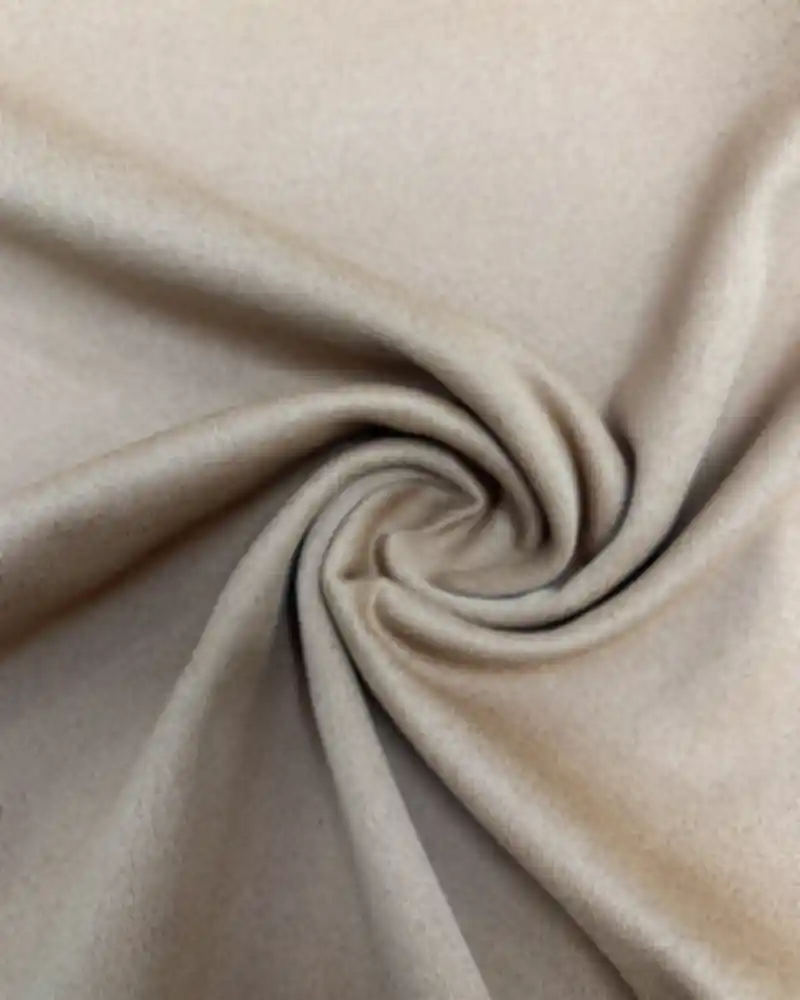
Cotton feel fabric: TS2533 micro-cotton double-face polyester knit with a soft, matte cotton-like surface
100%polyester, no cotton fiber 145–260 g/m²tee jersey to jacquard 37%plant-based SORONA® polymer

Definition

What "Cotton Feel" Means on a Fabric Spec

Buyers usually bring one of two briefs: a tee or polo that reads as "cotton" on the rack but survives a travel bag and a tumble dryer, or a replacement for a cotton or CVC program that keeps failing on shrinkage, creasing or faded color. Both are about touch first, so this page focuses on how the hand is made and kept consistent.

Cotton-feel fabric (also called cotton-like, cotton-touch or micro-cotton fabric) is a synthetic knit made to copy the hand of cotton. That means a soft, slightly dry surface with a low sheen and some fiber "bloom", instead of the slick, shiny feel of standard filament polyester. In our range, every cotton-feel quality is 100% polyester, either conventional PET or a PET/SORONA® PTT combination. None of them contains cotton fiber.

Reading a cotton-feel spec Mibein range

Fiber
100% polyester
Polymer
Conventional PET, or PET + SORONA® PTT
Cotton fiber
0%, so the label says polyester
Hand
Soft, slightly dry, low sheen, some fiber "bloom"
Not
The slick, shiny feel of standard filament polyester

Scorecard

Cotton vs. Cotton-Feel Performance Knit: Where Each One Wins

"Better than cotton" is too broad a claim. Here is the honest comparison, including where cotton still wins. The badge shows the advantage on each row.

Tally across 10 properties
0Cotton-feel knit wins 0Cotton wins
  1. 01Moisture regain (fiber)
    Cotton jersey

    About 8.5%. The fiber absorbs water and holds it.

    Cotton-feel knitWins

    About 0.4%. The fiber holds very little water, so moisture sits between the fibers where it can move and evaporate.

  2. 02Drying after sweat or washing
    Cotton jersey

    Slow. The fabric gets heavy and stays damp against the skin.

    Cotton-feel knitWins

    Faster. Quick-drying is stated for C23462-2 and other qualities in this range.

  3. 03Shrinkage in washing
    Cotton jersey

    Knits often shrink unless they are compacted or pre-shrunk.

    Cotton-feel knitWins

    Low. Dimensions are fixed by heat-setting. For our micro-cotton series, our product data states wash dimensional change better than the Chinese national first-grade requirement.

  4. 04Wrinkling
    Cotton jersey

    Creases easily and usually needs ironing.

    Cotton-feel knitWins

    Easy care. Our brochure says everyday creases in the micro-cotton series “can be smoothed out with the warmth of your hand”.

  5. 05Color retention
    Cotton jersey

    Reactive-dyed cotton can fade and lose depth over repeated washes.

    Cotton-feel knitWins

    Disperse- or cationic-dyed polyester generally holds shade well.

  6. 06Shape retention
    Cotton jersey

    Necklines and hems can twist or bag over time.

    Cotton-feel knitWins

    Holds shape. SORONA® qualities add natural stretch and recovery.

  7. 07Pilling
    Cotton jerseyWins

    Cotton pills tend to break off.

    Cotton-feel knit

    Polyester pills are anchored by strong fibers and can stay on the surface. This is the main risk with spun and brushed faces. See our controls below.

  8. 08Odor after sweating
    Cotton jerseyWins

    Generally releases odor more easily in washing.

    Cotton-feel knit

    Polyester tends to hold body odor more than cotton unless odor control is engineered in.

  9. 09Static
    Cotton jerseyWins

    Rarely an issue.

    Cotton-feel knit

    Can build up in dry weather. TS2533 is specified with anti-static performance.

  10. 10Fiber story
    Cotton jerseyWins

    Natural and plant-based. Many consumers prefer it.

    Cotton-feel knit

    Synthetic. The SORONA® qualities are partly plant-based (the SORONA® polymer is 37% renewable plant-based).

Moisture regain figures are the standard commercial regain values for cotton and polyester listed in ASTM D1909. Other rows describe typical fiber behavior, not test results for a specific Mibein fabric. For a deeper look, read polyester vs. cotton for activewear.

Four levers

Four Ways We Engineer a Cotton Hand

No single trick makes polyester feel like cotton. We combine up to four levers, and the mix decides whether a fabric reads as "washed tee", "crisp polo" or "brushed sweatshirt".

Yarn

Spun (staple) polyester yarn

Cotton feels dry and soft partly because its yarn is spun from short fibers with tiny protruding ends. Spinning polyester staple fiber the same way gives a similar surface and a natural matte look. Our 180 g/m² spun-yarn jersey P35079 is built this way. In our NATURISH series, spun polyester is paired with cationic filament for a cotton-linen face. The trade-off is surface hairiness, which we control with singeing (burning off protruding fuzz) before dyeing.

Used in P35079
Filament

Micro-cotton filament systems

Micro-cotton, or "clone cotton", uses fine textured polyester filaments finished to imitate cotton's hand. It is smoother and less prone to fuzz than spun yarn. The range runs from a 155 g/m² single-face jersey (C23462-2) to 260 g/m² double-face constructions (C23517). Clone cotton double-face fabric guide.

Polymer

SORONA® PTT for soft stretch

SORONA® is a PTT polymer made partly from renewable plant-based feedstock. Its spring-like molecular chain gives a softer hand and natural recovery. Combined with inherent-stretch polyester, it lets XWP1016 stretch and recover without any spandex, which keeps the fabric all-polyester. Free SORONA® hangtags come with qualifying fabrics. More on spandex-free stretch fabrics and our work with SORONA®.

Used in XWP1016
Finishing

Finishing and matte surfaces

Finishing in our own mill includes brushing, sueding, raising, shearing and heat-setting. Light brushing or sueding gives a peach-soft touch, heat-setting fixes shrinkage, width, weight and hand, and low-luster (matte) yarns remove the "synthetic shine". Softener only fine-tunes the hand, because a softener-only hand fades with washing. Common performance finishes explained.

Used in Heat-setting on every quality

The range

Cotton-Feel Fabrics in Our Range

Six qualities, from a 145 g/m² soft-stretch tee jersey to 260 g/m² double-face and jacquard bodies. Data sheets, color cards and swatches on request.

XWP1016145 g/m²XWP1016 SORONA cotton-like soft-stretch knit fabric with fine knit texture
  • Cotton-like softness
  • Soft against skin
  • Elastic recovery
  • Spandex-free
  • Partly plant-based

Best for: Premium T-shirts, polo shirts, next-to-skin apparel

SORONA® Cotton-Like Soft-Stretch Knit — XWP1016

100% Polyester · 145 g/m² · 160 cm

A fine knit texture gives what the spec sheet calls a "rich cotton-like feel". SORONA® and inherent-stretch polyester add elastic recovery with no spandex in the fabric. Complimentary SORONA® hangtags are included.
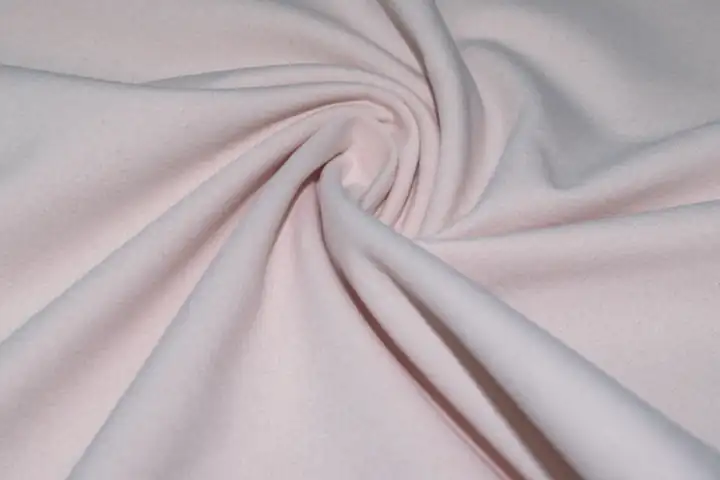
C23462-2155 g/m²C23462-2 single-face micro-cotton polyester jersey with a cotton-like surface
  • Cotton-like
  • Easy care
  • Quick-drying
  • Breathable

Best for: Polo shirts, premium T-shirts, jogger pants, lifestyle apparel

Single-Face Micro-Cotton Jersey — C23462-2

100% Polyester (50% SORONA®) · 155 g/m² · 160 cm

A tee-weight micro-cotton with a smooth, cotton-like face. Our brochure lists it as easy care, quick-drying and breathable, which covers the three complaints buyers most often raise about cotton jersey. It is supplied with a SORONA® hangtag.
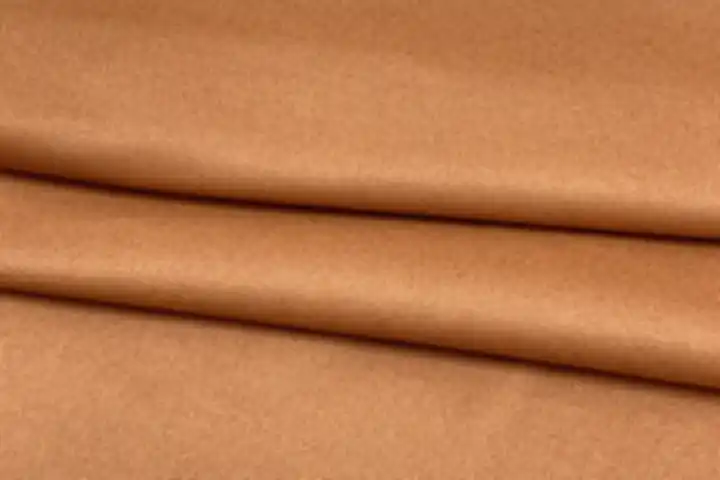
TS2533220 g/m²TS2533 double-face micro-cotton knit fabric with natural texture
  • Cotton-like
  • Easy care
  • Anti-static
  • Elasticity & recovery
  • Natural texture

Best for: Urban commute, active outdoor and business-casual programs, such as polos and long-sleeve tops

Double-Face Micro-Cotton, Anti-Static — TS2533

100% Polyester · 220 g/m² · 160 cm

Several functions in one mid-weight fabric: a natural-textured double-face with a cotton hand, good elasticity and recovery, and anti-static performance against dry-weather cling. It is supplied with a SORONA® hangtag.

C23517260 g/m²C23517 heavyweight double-face micro-cotton fabric for zip hoodies
  • Cotton-like
  • Easy care
  • Breathable
  • Elasticity & recovery

Best for: Zip hoodies, sweatshirts, active-outdoor mid-layers

Heavyweight Double-Face Micro-Cotton — C23517

100% Polyester (50% SORONA®) · 260 g/m² · 180 cm

For hoodies and sweatshirts, where cotton fleece is the benchmark: a cotton-like hand on a stable 260 g/m² double-face body, with good elasticity, recovery and easy care. It is supplied with a SORONA® hangtag.
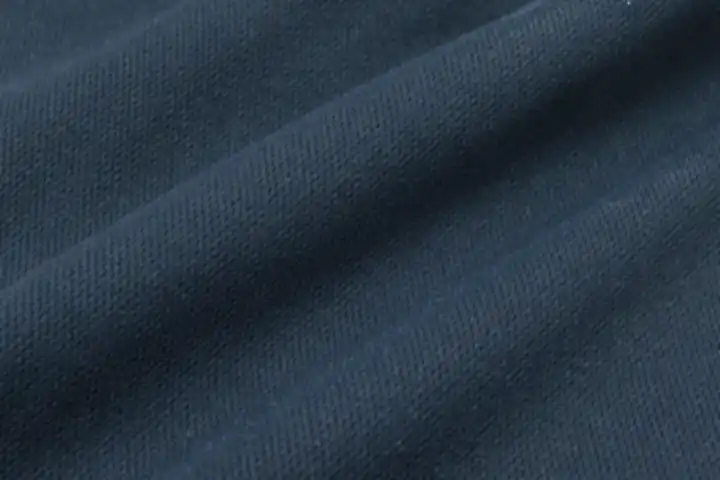
C25430260 g/m²C25430 cotton-imitation jacquard knit fabric with textured surface
  • Cotton-imitation hand
  • Jacquard texture
  • Easy care
  • Spandex-free stretch

Best for: Outdoor-casual collections and spring/summer T-shirts

Cotton-Imitation Jacquard — C25430

100% Polyester · 260 g/m² · 165 cm

Our product files list this quality as a cotton-imitation jacquard. It pairs a cotton-type surface with a woven-in jacquard pattern, for brands that want texture rather than a flat jersey. Its hang tag adds easy care, spandex-free SORONA® stretch with good recovery, and a SORONA® hangtag.
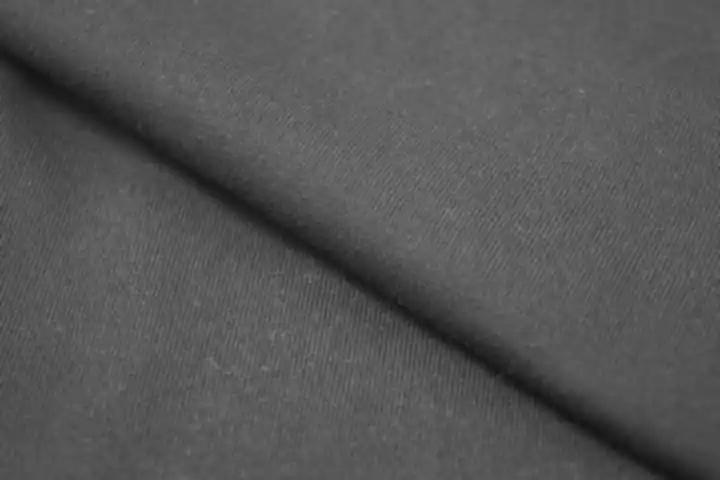
P35079180 g/m²P35079 spun polyester plain jersey with matte cotton-like surface
  • Spun polyester yarn
  • Cotton-type matte surface
  • Abrasion resistant
  • Wrinkle resistant

Best for: Sports-casual wear, T-shirts, light outdoor apparel

Spun-Yarn Plain Jersey — P35079

100% Polyester · 180 g/m² · 155 cm

A plain jersey knitted from spun (staple) polyester yarn and grouped in our micro-cotton range. It is the most direct route to a cotton-tee hand: a matte, fiber-end surface at a classic 180 g/m² T-shirt weight. Its hang tag notes that the staple fiber adds abrasion and wrinkle resistance for easy care.

The products shown on this website represent only part of our fabric portfolio. Contact us for more fabric options, technical data, color cards, and sample support.

Looking for a cotton-linen look instead of pure cotton? Our NATURISH spun-polyester qualities are featured on the moisture-wicking fabric page.

Repeatable handfeel

Handfeel Is Subjective. Here Is How We Make It Repeatable.

The most common cotton-feel complaint isn't about performance. It's "the bulk doesn't feel like the sample." Weight, width and shade are measured by instruments; hand is judged by fingers and shifts with several process variables. Here is what drifts and how we control it.

Brushing / sueding levelWhat drifts in bulk
What the buyer notices

Bulk feels fuzzier or flatter than the sample, and pilling changes with it.

How we control it

The brushing setting is recorded on the approved lot and repeated. Pilling is re-checked in our lab on pilling-box and random-tumble testers after finishing.

Softener dosage and pick-upWhat drifts in bulk
What the buyer notices

Bulk feels slick or “waxy”, or turns harsh after the first wash.

How we control it

The hand is built mainly from yarn and construction, so the softener is a small fine-tuning variable. Our lab's washing room (home-laundry machines plus a standard reference washer) lets us check the hand after washing as well as off the roll.

Heat-setting temperature, speed and overfeedWhat drifts in bulk
What the buyer notices

Changes in width, weight and stretch, and a “boardy” or limp hand.

How we control it

Stenter settings are monitored automatically. Width and g/m² are checked against tolerance on every lot.

Spun-yarn lot and hairinessWhat drifts in bulk
What the buyer notices

Surface looks hairier, or the matte level shifts.

How we control it

Incoming yarn inspection and conditioning, then singeing to control surface fuzz.

Dye lotWhat drifts in bulk
What the buyer notices

Shade difference between reorders.

How we control it

Spectrophotometer and light-booth matching against archived lab-dip records.

Every dye lot is inspected to the US 4-Point System (100-yard fabric grading), from the first dye lot through bulk. For handfeel, we keep a reference swatch from the approved lot and compare each new lot against it by hand.

Our advice when you develop a cotton-feel program

Approve handfeel on a bulk-representative sample, not a lab piece; agree the hand after one home wash as well as off the roll; and keep a signed reference swatch on both sides.

Buyers

Who Buys Cotton-Feel Fabric, and for What

Lifestyle & athleisure brands

For brands that want a "feels like my favorite tee" product with performance underneath. SORONA® qualities come with hangtags you can use at retail. See how we support apparel brands.

SORONA® hangtags

Polo & tee programs

Cotton-feel jersey at 145–180 g/m² for crew-neck T-shirts and structured polo shirts that shouldn't shrink or twist after washing.

145–180 g/m²

Travel & commute

Garments that come out of a bag wearable, such as travel pants and joggers, where cotton creases and stays damp.

Easy care · quick-drying

Wholesalers & garment factories

"Cotton feel, easy care" is easy to explain to downstream customers. See our programs for fabric distributors and OEM garment factories.

Cotton feel, easy care

Repeat orders

Reordering Without Losing the Hand

Cotton-feel programs often become basics that reorder every season. The approved lot's settings and reference swatch stay on file for repeat orders. Selected qualities can be supplied from ready stock or in-stock greige for faster turnaround.

  1. Approved lot settings on fileKept for every repeat order.
  2. Reference swatch keptEach new lot is compared against it by hand.
  3. Ready stock or in-stock greigeFor faster turnaround on selected qualities.

Stock & sourcing

A Ready Fabric Library Behind Every Order

Beyond custom development, we keep 50+ greige fabric qualities in stock, so sampling and bulk orders start faster. Our team follows the market every season and recommends the colors and functional fabrics buyers are asking for.

50+ Greige qualities in stock

Ready base fabrics across UV protection, cool touch, quick-dry and stretch, so most programs start from stock rather than from scratch.

Built around your order

Quantities, dye lots and delivery are planned around your program, from first sample yardage to repeat bulk.

Following market trends

We track what sells each season in outdoor, golf and summer active wear, and update the range to match.

Popular colors & functional picks

Tell us your market and price point. Our team recommends the colorways and functional fabrics currently in demand.

Sourcing for a distribution or wholesale program?

FAQ

Cotton-Feel Fabric FAQ

What is cotton-feel fabric?

Cotton-feel fabric is a synthetic knit, usually polyester, engineered to feel like cotton: soft, dry to the touch and low in sheen. The hand comes from spun (staple) yarns, fine micro-cotton filaments, SORONA® PTT fiber and finishing such as brushing and heat-setting.

Is cotton-feel fabric polyester?

In Mibein's range, yes. All of our cotton-feel qualities are 100% polyester. Some combine conventional polyester with SORONA®, a partly plant-based PTT polyester. They contain no cotton fiber, and the label should say polyester.

Does cotton-feel fabric breathe like cotton?

It handles moisture differently. Cotton absorbs sweat into the fiber, so it feels comfortable at first but then gets heavy and dries slowly. Polyester absorbs very little and moves moisture through the fabric to evaporate, so it usually feels drier during activity. Air permeability depends mostly on knit structure and weight, not on fiber. Compare our breathable fabrics if airflow is your priority.

Does cotton-feel fabric pill?

It can, especially spun-yarn and brushed faces, and polyester pills tend to stay attached because the fibers are strong. We manage this with singeing, controlled brushing and lab pilling tests on each development.

What is the difference between micro-cotton and cotton?

Micro-cotton ("clone cotton") is a polyester fabric made from fine filament yarns finished to imitate cotton's hand. Cotton is a natural plant fiber. Micro-cotton dries faster, wrinkles less and holds its shape. Cotton absorbs more moisture, is natural and biodegradable, and is preferred by many consumers for those reasons.

Is cotton-feel fabric good for sensitive skin?

We can't make medical claims for any fabric. What we can do is tell you which chemical-safety certification covers a specific quality. Our mill holds OEKO-TEX® STANDARD 100, Product Class I certificates (SH015 270421 / SH015 270455) for defined fabric scopes. Ask us for the certificate covering your chosen quality.

Can cotton-feel fabric be dyed and printed?

Yes. As a polyester fabric, it is piece-dyed with disperse dyes, and cationic-dyeable yarns allow two-tone and heather effects. It is also suited to printing processes for polyester. Matte yarns keep printed and dyed colors looking less shiny than on standard polyester.

What is the difference between cotton-feel fabric and a cotton blend?

A cotton blend, such as CVC or poly-cotton, actually contains cotton fiber, so it keeps some of cotton's absorbency along with its shrinkage and drying behavior. Cotton-feel fabric contains no cotton and gets its hand from yarn and finishing. If your program needs real cotton content, our mill's certificate scopes also cover cotton and recycled-polyester blends (GRS, RCS Blended, OCS 100). Ask us which route fits your brief.

Swatches first

Feel It Before You Decide

Handfeel can't be judged on a screen. Tell us the garment, target weight and the cotton product you benchmark against, and we'll send matching cotton-feel swatches with data sheets.

  • 1Garment
  • 2Target weight
  • 3Cotton benchmark
滚动至顶部