

Clone Cotton Double-Face Fabric: The Ultimate Guide to Cotton-Soft Performance (250 GSM)
Cotton’s softness. Synthetics’ performance. None of cotton’s drawbacks. This is what clone cotton double-face fabric brings to modern apparel.
What Is Clone Cotton Double-Face Fabric?
Clone cotton (also called “cotton-feel” or “faux-cotton”) double-face fabric is a double-faced knitted textile engineered to mimic the touch and drape of premium cotton while delivering the performance of synthetic fibers. “Double-face” refers to the fabric’s two-sided construction — a smooth, refined face and a soft, skin-friendly back — knitted together in a single structure.
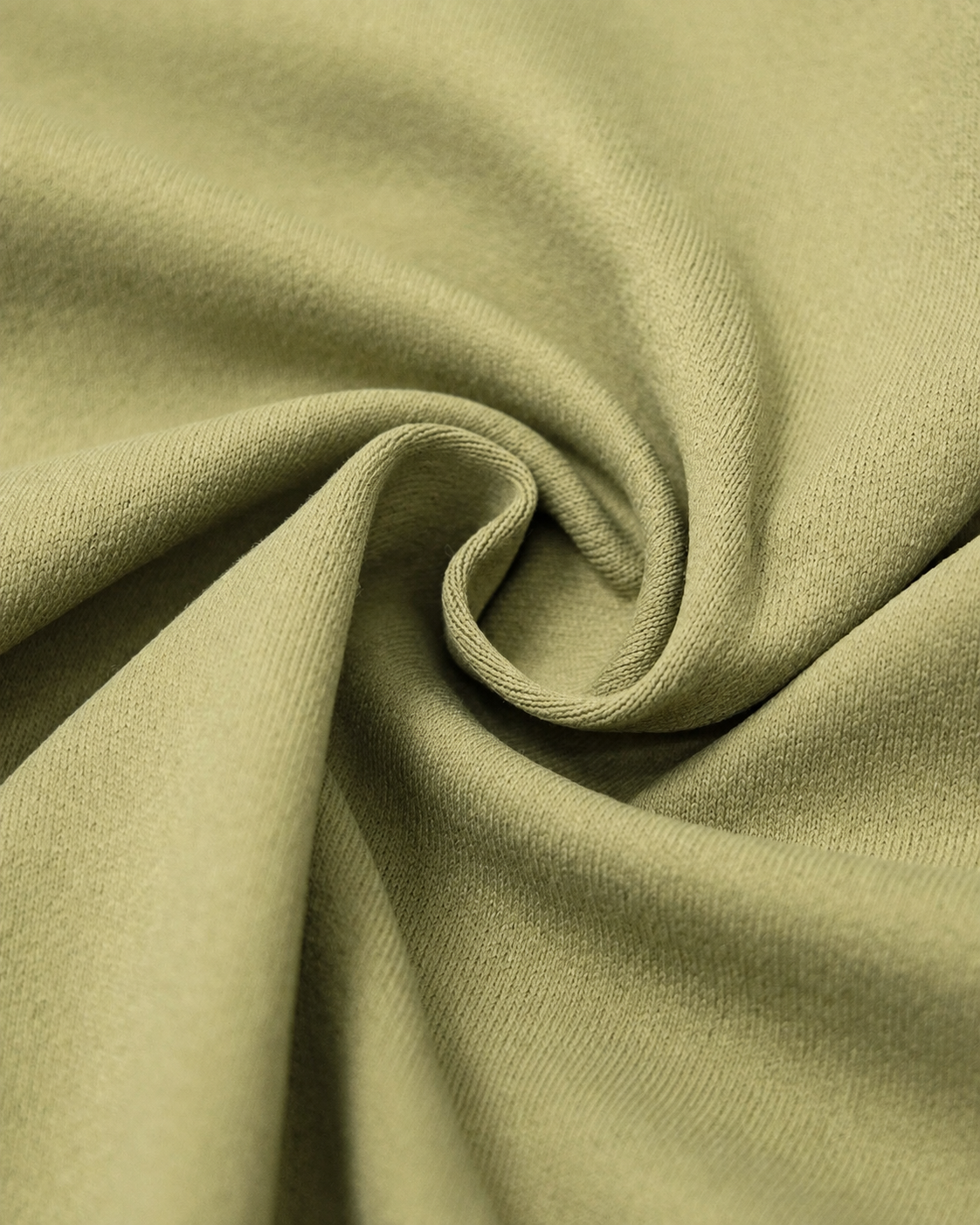
Unlike printed or coated imitations, clone cotton achieves its cotton-like character from the fiber and structure themselves. The result is a fabric that looks and feels like high-end cotton, but recovers, resists wrinkles, and survives repeated washing far better than cotton ever could. For autumn and winter apparel, it has become one of the most requested fabric programs in the industry.
Why It Exists: The Cotton Problem
Everyone loves cotton’s softness. But cotton has structural weaknesses that frustrate both consumers and brands: it wrinkles easily, loses shape after repeated wear, shrinks and distorts in the wash, and — in dry winter weather — clings with static. The cotton fiber’s natural properties are wonderful, but they are not engineered for performance.
Clone cotton double-face was developed to keep what consumers love about cotton and remove what they do not. It is the better-than-cotton answer for brands that want premium softness without the returns, complaints, and quality issues that cotton garments generate.
Feature #1: Soft & Skin-Friendly — Bare-Wear Ready
Feature #2: Exceptional Elastic Recovery
Elastic recovery is the core performance advantage of clone cotton. The fabric’s engineered stretch structure allows it to snap back to its original shape after sitting for hours, stretching, pulling, or repeated wear. It will not bag out at the elbows, sag at the knees, or lose its silhouette over time.
This is a meaningful difference from cotton, which relaxes and distorts permanently under repeated stress. A clone cotton garment keeps its sharp, clean cut the more it is worn — a quality that shows up directly in how good the garment looks on the customer.
Feature #3: Wrinkle-Free, Low-Maintenance
Clone cotton double-face has natural body and structure — a built-in “skeleton” that resists creasing. Garments stay crisp through daily wear, and after machine washing, they come out ready to wear with no ironing.

For brands, this directly reduces a common pain point: wrinkle-resistant fabric technology cuts after-sales issues and returns. For consumers, it means “lazy-person friendly” apparel that always looks presentable. Fewer ironing complaints, fewer shape complaints, fewer returns — all from one fabric choice.
Feature #4: Anti-Static for Autumn & Winter
Static is the season’s silent annoyance: clothes that cling to the body, attract dust and lint, and crackle when you take them off in dry winter air. Clone cotton double-face is engineered with anti-static properties built into the fabric, solving exactly these problems.
The result: in dry, cold weather, the garment does not cling, does not attract dust, and produces no static crackle. Clothing stays clean and comfortable — a practical, everyday benefit that customers feel the moment they put it on in winter.
Technical Profile: 250 GSM Double-Face
| Property | Value |
|---|---|
| Weight | 250 GSM |
| Width | 180 cm |
| Construction | Double-face knitted structure |
| Hand-feel | Cotton-soft, refined, natural texture |
| Elastic recovery | High — resists bagging and sagging |
| Wrinkle resistance | Yes — low-maintenance, iron-free |
| Anti-static | Yes — winter-ready |
At 250 GSM, the fabric has a substantial, premium weight — solid, never thin or flimsy — while the 180 cm width supports efficient cutting and high fabric utilization in bulk production. This is a fabric designed for real garments, not samples.
Applications: Streetwear to Outdoor
- Streetwear / brand T-shirts — structured, soft, and shape-keeping
- Casual jackets — substantial weight with a clean drape
- Cargo / workwear pants — durable, wrinkle-free, easy care
- Outdoor apparel — comfortable next to skin, ready for cold weather
One fabric, four categories, no style lock-in. That versatility is what makes clone cotton double-face a default choice for autumn and winter collections rather than a specialty option.
What This Means for Your Brand
If you are developing an autumn/winter line, the practical takeaway is simple: fabric choice determines both product quality and after-sales cost. Clone cotton double-face attacks the four biggest consumer complaints about winter knits — harsh touch, shape loss, wrinkles, and static — before they ever reach the customer.
Choosing a proven, production-ready fabric also shortens your development cycle. At Mibein Textile, we support everything from collaborative fabric development to bulk manufacturing — with 20+ years of knit expertise, 8 million yards of monthly capacity, and quality backed by OEKO-TEX®, GOTS, OCS, and GRS certifications.
FAQ
What is clone cotton fabric?
Clone cotton is a synthetic fabric engineered to mimic the softness, texture, and drape of premium cotton while adding synthetic performance — better recovery, wrinkle resistance, and easy care.
What does double-face mean?
Double-face describes a two-sided knitted structure — typically a smooth refined face and a soft skin-friendly back — knitted in a single piece for comfort on both sides.
Is clone cotton softer than real cotton?
It matches premium cotton’s softness while adding what cotton lacks: elastic recovery, wrinkle resistance, and anti-static properties. It feels as good and performs better.
Is clone cotton double-face suitable for winter?
Yes — its 250 GSM weight provides warmth and substance, and its built-in anti-static performance is specifically designed for dry winter wear.
Can it be used for bulk production?
Yes. At 250 GSM and 180 cm width with proven knitting and dyeing processes, it is production-ready for T-shirts, jackets, workwear pants, and outdoor apparel at scale.