
“Moisture-wicking” is one of the most overused words on an activewear hangtag — and one of the least understood mechanically. It isn’t a chemical spray, and it isn’t the same thing as absorbency. It’s a structural property built into the fiber and fabric construction that moves liquid sweat away from skin instead of soaking it up, and understanding the mechanism is what separates a fabric that actually performs from one that just says it does.
This guide explains how moisture-wicking actually works at the fiber and fabric level, how it’s measured objectively, and what to check before trusting a supplier’s wicking claim.
Key Takeaways
- Moisture-wicking works through capillary action, pulling liquid along fiber surfaces and yarn channels to spread it across a larger area for faster evaporation — it doesn’t absorb moisture the way cotton does.
- The industry-recognized test is AATCC 195, Liquid Moisture Management Properties of Textile Fabrics, which produces objective wetting-time and spreading-speed scores rather than a pass/fail label.
- Fiber choice drives most of the wicking behavior — see polyester vs. cotton for activewear for why synthetics dominate this category.
- Knit construction affects wicking speed too, since it determines how much surface area is available for evaporation — covered in how performance fabric is made.
The Mechanism: Capillary Action, Not Absorption
Moisture-wicking fabric works through capillary action — the same physical effect that pulls water up a paper towel. Hydrophobic synthetic fibers like polyester don’t absorb water into the fiber itself; instead, engineered channels along the yarn’s surface and cross-section pull liquid sweat away from skin and spread it across the fabric’s outer surface, where a larger surface area speeds up evaporation. This is fundamentally different from what cotton does: cotton fibers absorb moisture directly into the fiber structure, which is why a soaked cotton shirt feels heavy and stays wet — the moisture has nowhere to go but to evaporate slowly from a saturated fiber.
Why Fiber Choice Drives Most of the Performance
Polyester and nylon are the two fibers most commonly engineered for wicking because they’re inherently hydrophobic, which forces moisture to travel along the fiber surface rather than into it. Cotton and other natural fibers can be treated with wicking finishes, but the effect is generally less durable through washing than a fiber-level engineered solution. The trade-offs between the two dominant fiber choices for activewear are covered in full in polyester vs. cotton for activewear: which performs better.
How Wicking Performance Is Actually Measured
A wicking claim without test data is a marketing statement, not a specification. The industry-recognized benchmark is AATCC 195, Liquid Moisture Management Properties of Textile Fabrics, which places a fabric sample between calibrated electrical sensors and measures wetting time, absorption rate, and spreading speed on both the top and bottom fabric surfaces (AATCC, Test Method TM195). The result is an objective, comparable score — not a subjective “feels dry” rating — which is exactly what makes it useful for comparing fabrics from different suppliers on equal footing.
Knit Construction Also Affects Wicking Speed
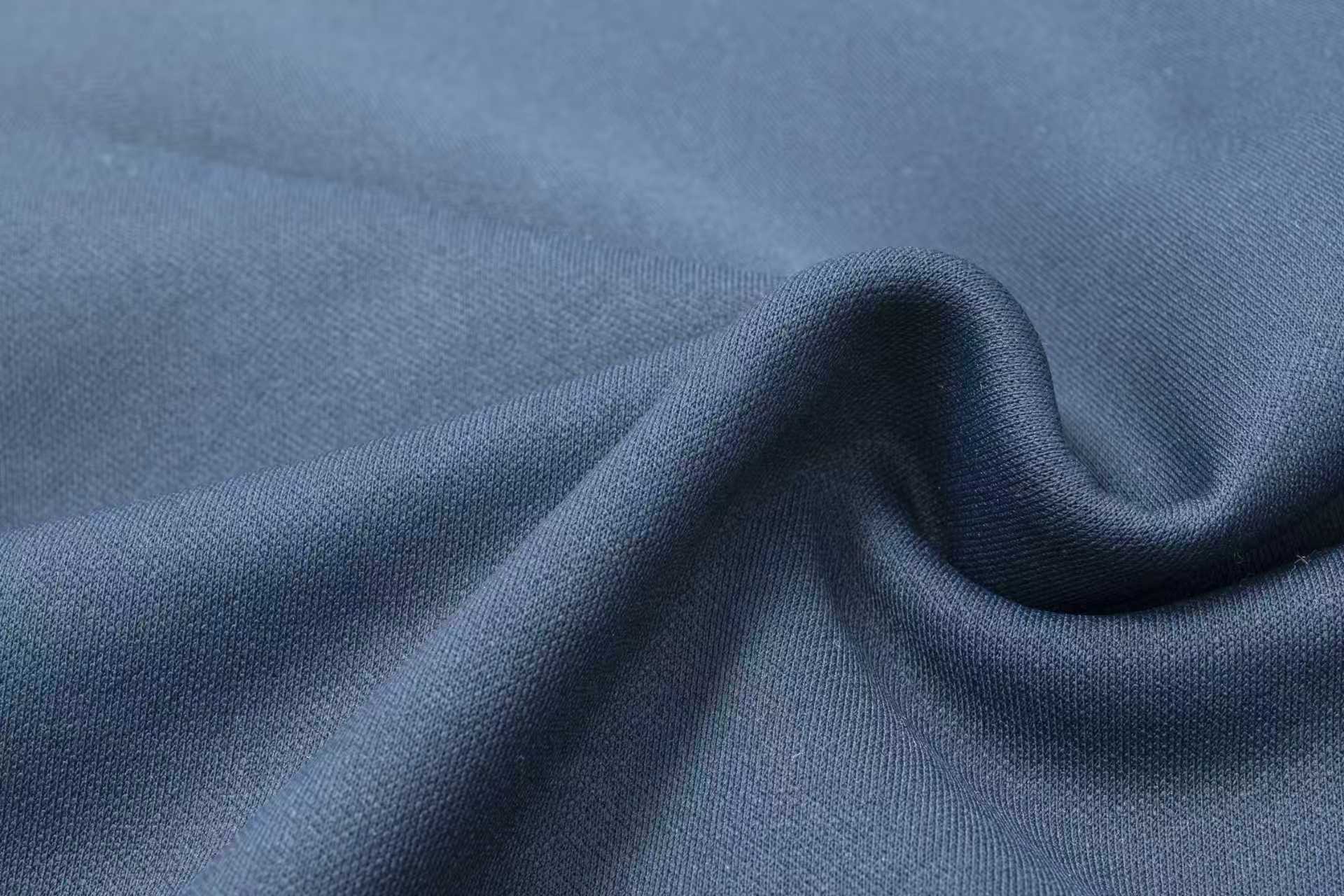
Fiber choice sets the ceiling on wicking potential, but knit construction determines how much of that potential is realized. A more open knit structure exposes more surface area to air, speeding up evaporation once moisture has spread across the fabric surface. This is one more reason the earlier production stages — covered in how performance fabric is made: from yarn to finished textile — matter just as much as the finished fabric’s marketing description.
Frequently Asked Questions
Does moisture-wicking fabric ever “wear out”?
Fiber-level wicking (built into polyester or nylon itself) doesn’t degrade the way a topical finish can. If a fabric’s wicking performance relies on an applied finish rather than the fiber structure, that performance can fade with repeated washing — check our guide to performance fabric finishes for which treatments hold up long-term.
Can cotton be moisture-wicking?
Not structurally — cotton absorbs rather than wicks. Cotton blends can be treated with topical wicking finishes, but the performance ceiling is lower than an inherently hydrophobic synthetic fiber. See polyester vs. cotton for activewear for the full comparison.
Is a higher wicking score always better?
Not universally — it depends on the garment’s use case. A base layer for high-intensity training benefits from maximum wicking speed, while a casual athleisure piece may prioritize hand-feel and drape over the fastest possible wicking score.
Mibein · Global Brand of Xianwei Textile
Looking for a Reliable Fabric Partner for Your Next Collection?
Mibein is a vertically integrated fabric manufacturer with 20+ years of experience, serving apparel brands worldwide from our own facilities in Guangzhou. Tell us what you’re working on and we’ll help you find the right fabric.
Ready color cards · Meter samples · Flexible MOQ for new product programs
Sources: AATCC Test Method TM195